
ADU Zoning Regulations in Sonoma County: What to Know Before You Build
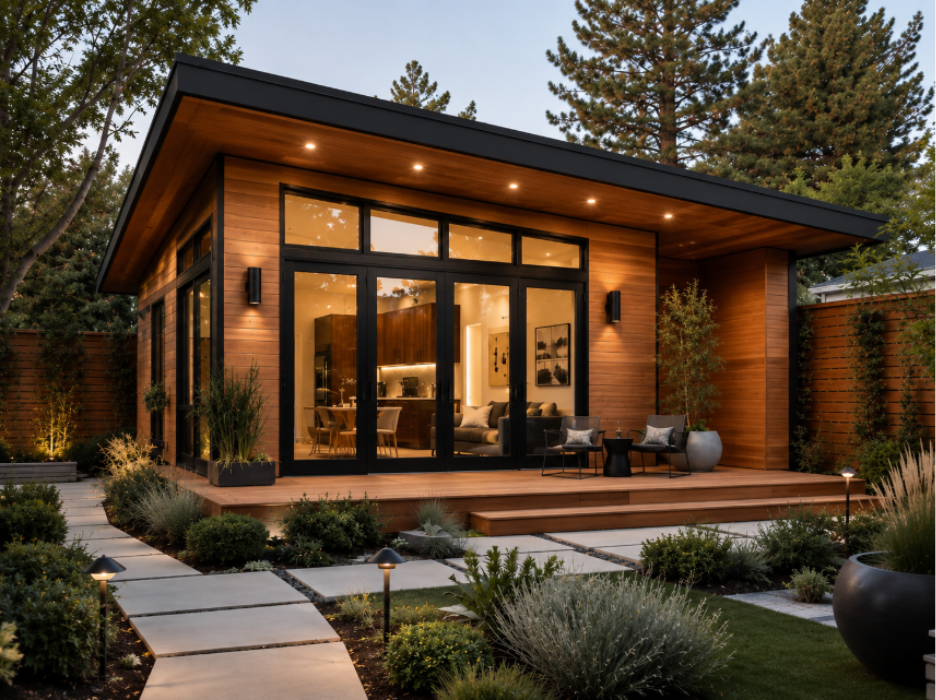
Accessory dwelling units continue to be one of the most popular ways Sonoma County homeowners are adding flexible living space to their properties. Whether you call it an ADU, guest house, granny flat, in-law unit, backyard cottage, or secondary dwelling, the goal is often the same: create usable, independent space that supports family, rental income, aging parents, adult children, or long-term property value.
As interest grows, so does the importance of choosing an ADU builder in Santa Rosa that has the experience and understanding of ADU zoning regulations in Sonoma County before beginning design or construction.
California has made ADUs easier to build in many cases, but every property still needs to be reviewed carefully. Lot size, zoning district, setbacks, utilities, septic capacity, fire access, parking, existing structures, and local jurisdiction requirements can all affect what is possible.
Why ADU Approval Varies by Property
In Sonoma County, ADU feasibility is rarely answered by square footage alone. A property may appear to have enough space for an ADU, but the final answer often depends on:
- Zoning
- Setbacks
- Septic or sewer service
- Water availability
- Fire access
- Utility capacity
- Easements
- Slope
- Whether the property is located within a city or unincorporated
This is why early feasibility review is one of the most important steps before investing in full plans.
If you are considering an ADU in Sonoma County, here are the key zoning and planning items to understand before moving forward.
1. ADU Rules Start with the Property Location
One of the first questions to answer is whether the property is located within the unincorporated County of Sonoma or within a city jurisdiction such as Santa Rosa, Sebastopol, Petaluma, Rohnert Park, Windsor, Healdsburg, Sonoma, or Cotati.
This matters because ADU zoning regulations can vary depending on the permitting authority.
For example, a property in unincorporated Sonoma County may be reviewed through Permit Sonoma, while a property within city limits will typically be reviewed by that city’s planning and building department. Even when state ADU laws apply, local zoning standards and site-specific conditions still matter.
Before investing heavily in plans, homeowners should confirm:
- The property’s jurisdiction
- The zoning district
- Whether the lot currently has a primary residence
- Whether the proposed ADU will be detached, attached, or a conversion
- Whether additional site constraints apply
This early zoning review helps prevent costly redesigns later.
2. California ADU Laws Have Expanded Opportunities
California has continued to encourage ADU construction as part of the state’s housing strategy. State law has reduced certain barriers for homeowners and created more consistent rules around ADU approvals.
In many situations, ADUs may be allowed on properties with an existing or proposed primary residence. Junior accessory dwelling units, often called JADUs, may also be an option within an existing or proposed single-family residence.
However, “allowed” does not always mean “simple.”
The ADU still needs to comply with applicable building codes, safety requirements, utility requirements, and objective zoning standards.
This is where homeowners can get tripped up. A property may appear to have enough physical space for an ADU, but setbacks, fire access, septic limitations, drainage, tree protection, or utility upgrades may affect the final design.
3. ADU Type Affects the Review Process
Not all ADUs are built the same way. The ADU builder in Santa Rosa and the type of build that you choose can influence cost, design complexity, permitting, and construction timeline.
Common ADU types include:
- Detached ADU: A separate structure, often located in the backyard
- Attached ADU: A unit connected to the primary residence
- Garage conversion: An existing garage converted into living space
- Interior conversion: Existing space inside the home converted into a separate unit
- JADU: A smaller unit created within a single-family residence
Detached ADUs often offer the most privacy and flexibility, but they may require more site work, utility connections, foundation work, and exterior construction.
Garage conversions can be appealing because the structure already exists, but the existing garage still needs to meet residential code requirements. This can involve insulation, waterproofing, structural upgrades, windows, doors, fire separation, electrical, plumbing, heating, and accessibility considerations.
4. Setbacks, Height, and Lot Coverage Still Matter
Setbacks are one of the most important zoning items to review early. A setback determines how close a structure can be to property lines or other buildings.
In many ADU conversations, homeowners hear that four-foot side and rear yard setbacks may apply to certain detached ADUs. While that can be true in many cases under California ADU law, the full answer depends on the property, the ADU type, and any additional site constraints.
Other zoning considerations may include:
- Maximum height
- Lot coverage
- Distance from other structures
- Easements
- Creek or riparian setbacks
- Fire-safe access
- Tree protection zones
- Septic system location
- Well location
- Utility easements
For Sonoma County properties, these details are especially important because many lots have rural conditions, slopes, septic systems, wells, fire access requirements, or environmental constraints.
5. Septic and Utility Capacity Can Influence Feasibility
For properties outside city sewer service areas, septic capacity is often one of the biggest ADU feasibility questions.
Adding a dwelling unit may increase the expected wastewater demand for the property. Depending on the existing septic system, soil conditions, reserve area, and number of bedrooms proposed, upgrades may be required before an ADU can be approved.
Utilities should also be reviewed early, including:
- Electrical service capacity
- Water supply
- Sewer or septic connection
- Gas or all-electric design options
- Stormwater drainage
- Fire sprinklers, when applicable
- Utility trenching routes
A beautiful ADU design can become difficult to build if the utility strategy is not evaluated at the beginning. Some of the most important project details are often underground, tucked behind walls, or hidden in the existing service capacity.
6. Parking Requirements May Be Limited, But Still Need Review
California ADU laws have reduced parking requirements in many situations, especially for properties near public transit or when converting existing structures.
Still, parking should not be ignored during planning. Some properties may have existing access limitations, narrow driveways, steep grades, or site circulation issues that affect design and construction logistics.
Even when additional parking is not required, homeowners may still want to think through how the ADU will function day to day.
Questions to consider include:
- Where will occupants park?
- How will guests access the unit?
- Will the ADU have a separate walkway?
- Is the entry private and well-lit
- Will the driveway need to accommodate multiple vehicles?
Good planning goes beyond minimum code requirements.
7. Fire and Building Code Requirements Are Separate from Zoning
Zoning answers the question, “Can this use and structure be placed here?”
Building code answers a different question: “Can this structure be built safely?”
An ADU may need to address:
- Foundation design
- Framing and structural engineering
- Energy compliance
- Fire separation
- Smoke and carbon monoxide alarms
- Emergency escape openings
- Heating and cooling
- Electrical safety
- Plumbing fixtures
- Insulation and ventilation
- Wildland fire considerations
In parts of Sonoma County, wildfire risk and emergency access can be especially important. Fire department requirements, road access, water supply, hydrant location, defensible space, and fire-resistant materials may all affect the project.
8. ADU Timelines Depend on Planning Quality
A common misconception is that ADUs are automatically fast projects because they are smaller than a primary home.
In reality, an ADU is still a complete dwelling unit. It has a kitchen, bathroom, sleeping area, utilities, heating, electrical, plumbing, insulation, and structural requirements.
A realistic timeline may include:
- Feasibility review
- Site measurements
- Design and drafting
- Engineering
- Energy compliance
- Septic or utility review
- Permit submittal
- Plan check comments
- Permit approval
- Construction scheduling
- Inspections
- Final approval
The smoother projects usually begin with clear scope, complete drawings, realistic budgeting, and early coordination between the homeowner, designer, contractor, and permitting authority.
9. Budgeting Should Happen Before Final Design
Before finalizing ADU plans, homeowners should understand the likely construction cost range and site-specific cost drivers.
ADU costs can vary widely depending on:
- New construction versus conversion
- Site access
- Utility upgrades
- Foundation requirements
- Fire requirements
- Finish selections
- Size and layout
- Structural complexity
- Septic or sewer work
- Permitting and design fees
A smaller ADU is not always proportionally cheaper per square foot. Kitchens, bathrooms, utilities, and site work carry fixed costs regardless of whether the unit is 500 square feet or 1,000 square feet.
Early contractor input can help align the design with the budget before the plans become too far developed.
10. Why Online ADU Answers Can Be Misleading
Many homeowners begin with an online search for ADU rules and quickly find general answers about setbacks, size limits, and parking. While this information can be helpful, it may not reflect the full reality of a specific Sonoma County property.
A rural parcel with septic, a hillside lot, a city property on sewer, and a fire-prone area may all have different requirements.
The best first step is not simply asking, “How big of an ADU can I build?”
A better question is, “What does this specific property allow once zoning, utilities, access, and building requirements are reviewed together?”
That distinction matters. It can affect the size, location, layout, budget, permit path, and construction schedule for the ADU.
Frequently Asked Questions About ADU Zoning Regulations in Sonoma County
Can I build an ADU on any property in Sonoma County?
Not automatically. Many properties may qualify, but zoning, jurisdiction, existing residence status, utilities, septic capacity, fire access, and site constraints must be reviewed.
Do ADU rules differ between Santa Rosa, Sebastopol, Petaluma, and unincorporated Sonoma County?
Yes. State ADU laws apply broadly, but local review processes and property-specific requirements can vary by jurisdiction.
Is a garage conversion easier than building a detached ADU?
Sometimes, but not always. Garage conversions can reduce some site work, but the existing structure must still be upgraded to meet residential building standards.
Do ADUs require permits?
Yes. ADUs require proper permits and inspections. Depending on the property, the project may also require utility, septic, fire, grading, drainage, or other reviews.
Should I talk to a contractor before hiring a designer?
It is often helpful to involve a contractor early so the design can be reviewed for constructability, budget, utilities, and site conditions.
What This Means for Sonoma County Homeowners
ADUs can be an excellent way to create flexible housing, support family needs, and improve long-term property value. But the best projects start with a clear understanding of zoning, permitting, utilities, budget, and site conditions.
Because every property is different, homeowners should avoid relying only on general ADU information found online. A successful ADU project depends on:
- Reviewing the specific property
- Jurisdiction
- Zoning district
- Site constraints
- Utility requirements
ADU regulations and local review requirements can change over time. Homeowners should confirm current requirements with the applicable city or county permitting agency before making final design or construction decisions.
Planning an ADU in Sonoma County
If you are considering an ADU in Sonoma County, Sightline Builders can help you take the next step with an early feasibility conversation. We can review your goals, discuss site conditions, and help identify the planning items that may affect your budget, permitting path, and construction timeline.
At Sightline Builders, we help homeowners evaluate ADU feasibility, coordinate project planning, and move through construction with clear communication and experienced oversight.
Contact us online or call Sightline Builders at 707-892-0671 to discuss your ADU goals and schedule a site visit.