
What Is an ADU in Sonoma County? What Homeowners Should Know
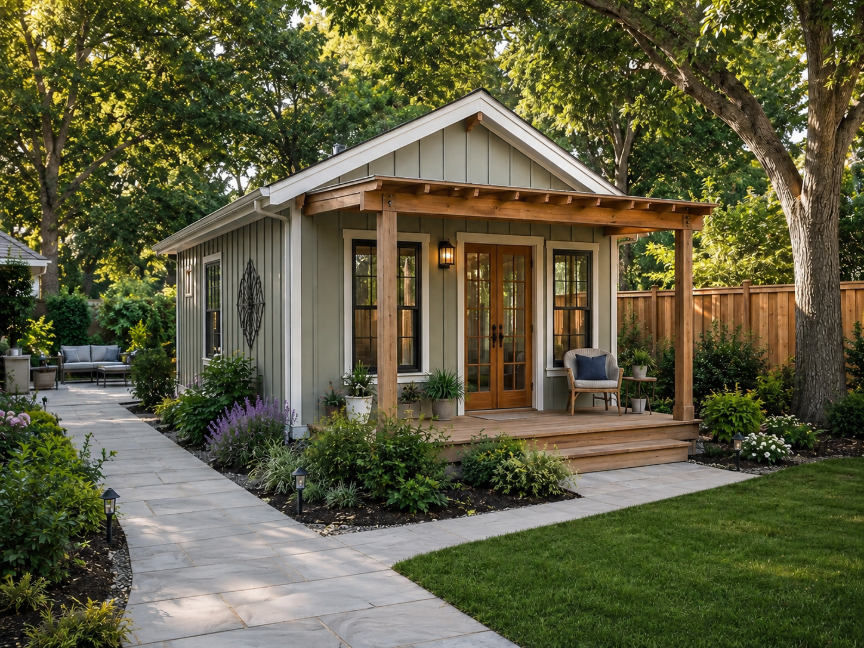
Accessory dwelling units have become a popular way for Sonoma County homeowners to house family, create potential rental income, accommodate caregivers, or add flexibility to their property.
But before planning begins, many homeowners have a basic question: What is an ADU?
An ADU, or accessory dwelling unit, is a secondary dwelling unit located on the same property as a primary residence. It is designed for independent living and generally includes space for sleeping, cooking, sanitation, and everyday living. Working with an experienced ADU builder in Santa Rosa can help you understand how these units are defined locally before you invest in design.
ADUs are sometimes called granny flats, in-law units, backyard cottages, secondary units, guest houses, or casitas. However, not every studio, pool house, garage, guest room, or detached structure legally qualifies as an ADU.
Requirements may differ between unincorporated Sonoma County and local cities. Understanding the basic ADU categories is an important first step before investing in design and construction.
1. An ADU Functions as an Independent Dwelling
An ADU is more than extra space. It provides independent living accommodations.
A typical ADU includes:
- A sleeping area
- A bathroom
- A kitchen or cooking area
- Living space
- A separate or clearly defined entrance
- Utility connections and required heating or cooling
- Code-compliant construction
These features distinguish an ADU from a bedroom addition, office, studio, storage building, or ordinary guest room. ADU rules may apply when a space supports independent living.
2. The ADU Shares a Property With a Primary Residence
An ADU is accessory to a primary residence. The property generally already has, or is proposed to have, a main home. The ADU remains part of the same parcel and is usually not sold separately from the primary residence.
Homeowners should confirm the property jurisdiction and zoning. City properties are typically reviewed by that city, while unincorporated properties are generally reviewed through Permit Sonoma.
3. Common Types of ADUs
Detached ADUs
A detached ADU is a separate structure on the same property as the main home. This is the classic backyard cottage and often provides the greatest privacy. It may work well for:
- Aging parents
- Adult children
- Caregivers
- Tenants
- Guests
- Future downsizing
Detached units require review of setbacks, utilities, access, drainage, fire requirements, trees, privacy, and construction logistics.
Attached ADUs
An attached ADU connects to the primary residence as an addition or conversion.
It can work when yard space is limited, but the design must address access, privacy, fire and sound separation, utilities, and the existing floor plan.
Garage and Interior Conversions
A garage or portion of a home may be converted into an ADU, but it must meet residential standards. Work may include:
- Structural upgrades
- Insulation
- Waterproofing
- Utilities
- Heating and cooling
- Windows
- Fire separation
- Energy compliance
A garage may sit near a property line, within an easement, or far from utilities. Evaluate the conversion before assuming it is the easiest or least expensive option.
Junior ADUs
A junior accessory dwelling unit, or JADU, is generally smaller and created within a single-family residence. It can provide compact space for family, a caregiver, guest, or tenant.
JADUs have their own requirements, which may involve:
- The entrance
- Kitchen provisions
- Sanitation
- Owner occupancy
Not every bedroom suite or remodeled area automatically qualifies.
4. Not Every Guest House or Studio Is an ADU
A structure’s name does not determine how it is regulated. The key question is whether it contains independent facilities for sleeping, cooking, sanitation, and daily living.
- A backyard office without cooking or sanitation facilities may not be an ADU.
- A guest room within the main house may not qualify if it cannot function independently.
- A detached structure with a bathroom and cooking area may require ADU review.
- A converted garage used for sleeping, cooking, and sanitation may be treated as a dwelling unit.
Calling a structure a “studio” does not avoid permitting requirements when the space is designed or used as housing.
5. Legal ADUs Require Permits and Inspections
A legal ADU requires appropriate plans, permits, and inspections, whether it will house family, be rented, refinanced, or included in a future sale.
Unpermitted dwelling space can create:
- Safety concerns
- Insurance and appraisal complications
- Code enforcement issues
- Financing problems
- Resale disclosures
- Difficulty obtaining future permits
Proper permitting provides clearer documentation and helps confirm that the unit meets applicable safety standards. A qualified ADU builder in Santa Rosa can help homeowners navigate the plan submittal and inspection process alongside the applicable permitting agency.
6. Sonoma County Site Conditions Affect Feasibility
ADU planning in Sonoma County is often shaped by the property itself. Some homes are on compact city lots, while others are served by septic systems, wells, private roads, or rural fire access.
Important feasibility considerations may include:
- Zoning, lot layout, and setbacks
- Sewer or septic capacity
- Water and electrical service
- Fire access and defensible space
- Easements, drainage, trees, and slope
- Construction access and utility trenching
Two similar-looking properties can have very different ADU options. One may support a detached unit easily, while another requires an attached conversion or a smaller design because of utilities, access, or environmental constraints.
7. The Intended Use Should Guide the Design
An ADU for aging parents may need accessible entries and bathrooms. A rental may emphasize privacy, parking, durable finishes, and separate utilities.
Before choosing an ADU type, homeowners should consider:
- Who will use it now
- How that may change over time
- Whether it will be rented
- The desired level of privacy
- Accessibility needs
- Outdoor space
- Parking
- A realistic budget
Thinking through these factors early helps shape a design that fits how the space will actually be lived in, both now and in the years ahead.
8. Early Feasibility Review Can Prevent Costly Redesign
Instead of asking only, “Can I build an ADU?” homeowners should ask, “What type of ADU makes sense for this property?”
An early feasibility review can identify:
- The best ADU type and location
- Utility challenges
- Permit considerations
- Cost drivers
- Whether the budget aligns with the scope
This can prevent costly redesign. Consulting with an ADU builder in Santa Rosa early in the process can also surface site-specific constraints that are easier to address on paper than during construction.
What This Means for Sonoma County Homeowners
An ADU is not simply any extra room or backyard building. It is a secondary dwelling unit with independent living facilities that must be planned, permitted, and built accordingly.
California law has expanded ADU opportunities, but local review requirements and property conditions still matter.
Because regulations can change, homeowners should verify current requirements with the applicable city, Permit Sonoma, or other permitting agency before making final design, rental, or construction decisions.
Planning an ADU in Sonoma County
Sightline Builders can help homeowners begin with an early feasibility conversation. We can discuss your goals, review the property layout, and identify planning considerations that may affect the ADU type, placement, budget, permitting path, and construction.
Our goal is to help you understand what may be possible before you move too far into design.
Contact us online or call Sightline Builders at 707-892-0671 to discuss your ADU goals and schedule a site visit.
Frequently Asked Questions About ADUs in Sonoma County
What is an ADU in Sonoma County?
An ADU is a secondary dwelling unit on the same property as a primary residence. It is designed for independent living and includes facilities for sleeping, cooking, sanitation, and daily living.
Is a guest house the same as an ADU?
Not always. A guest house, office, studio, or detached structure may or may not qualify depending on its design, permitted use, and living facilities.
Can a garage conversion become an ADU?
Yes, when it is legally converted into an independent dwelling and meets applicable building, zoning, safety, energy, and utility requirements.
What is the difference between an ADU and a JADU?
A standard ADU may be detached, attached, or converted from existing space. A JADU is generally smaller and located within an existing or proposed single-family residence.
Can an ADU be rented?
Legally permitted ADUs may often be used for long-term housing, but homeowners should confirm current local rental rules, insurance needs, financing terms, and tax considerations.
Does every property qualify for an ADU?
Not automatically. Zoning, utilities, septic or sewer capacity, fire access, setbacks, easements, and site conditions must be reviewed.

Owner Operator
Sarah Martin is the Co-Owner and Director of Operations at Sightline Builders, a premier custom home remodeling and design-build firm based in Santa Rosa, California. Alongside her husband, Jon Martin, Sarah oversees client experience, project coordination, and company operations with a focus on communication, transparency, and design excellence.
With a background in business management and client relations, Sarah brings a refined balance of organization and creativity to Sightline’s projects. She ensures every remodeling experience is seamless—from concept to completion—by aligning clients, designers, and field teams under a shared vision of craftsmanship and integrity.
Sarah is deeply involved in the local building community and passionate about helping homeowners reimagine their spaces in ways that enhance both beauty and function.